Home

Welcome to the WILD PEANUT LAB
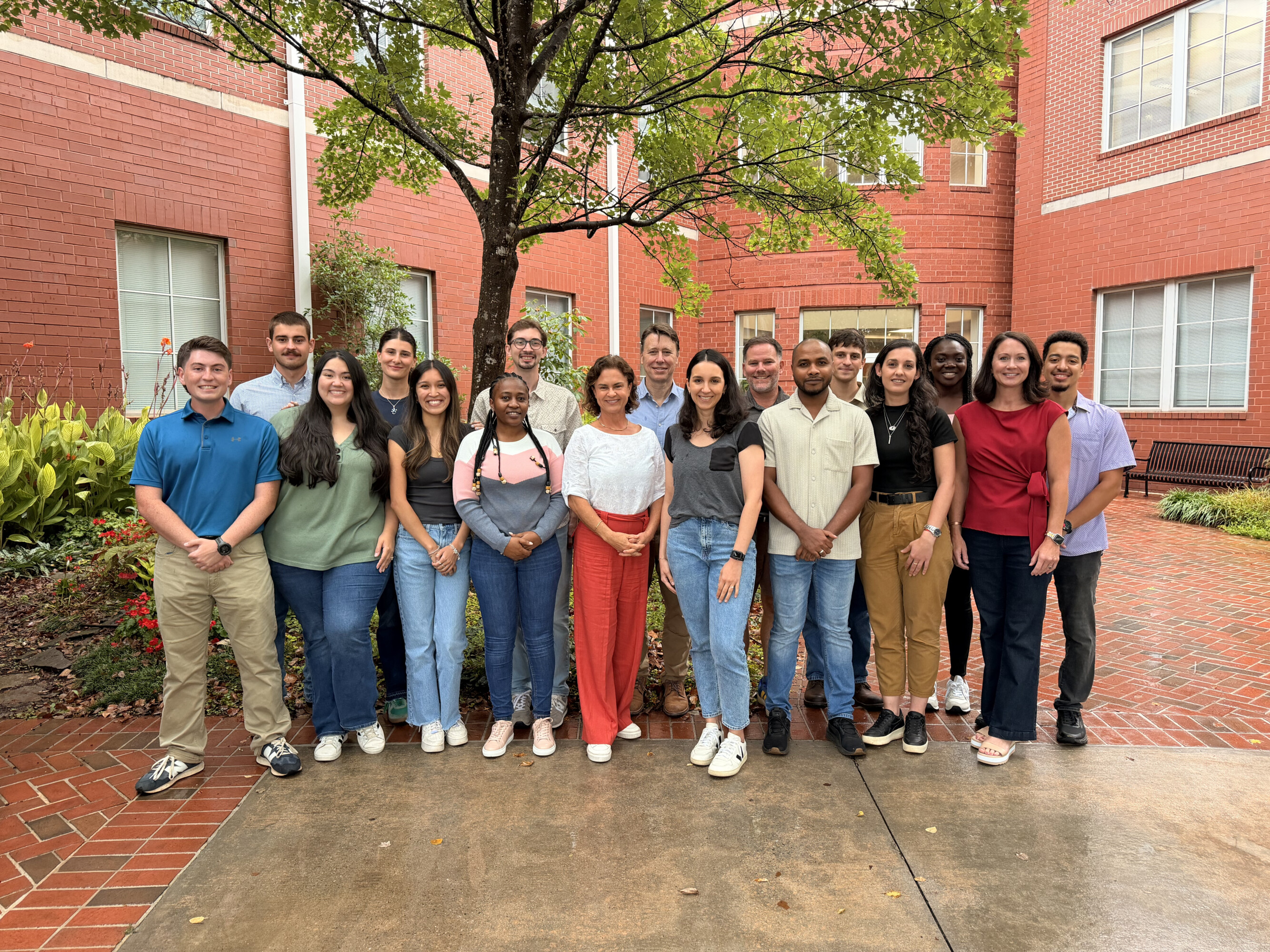
A formal group portrait of the Wild Peanut Lab team standing outside the Center for Applied Genetic Technologies (CAGT) at the University of Georgia. The researchers are posed together in front of the building’s red brick exterior, framed by landscaped flower beds. This image serves as the lab's primary team photo for the 2026 academic year.

The WILD PEANUT LAB, led by David Bertioli and Soraya Leal-Bertioli, is affiliated with the Institute of Plant Breeding, Genetics and Genomics (IPBGG), University of Georgia (UGA), and it is located at the Center for Applied Genetic Technologies (CAGT),111 Riverbend Rd, Athens, GA, 30602.

The objective of the research conducted in the WILD PEANUT LAB is to improve peanuts for agriculture worldwide by utilizing its wild relatives and advanced genetics.

The front page of the March 9, 2026, UGA CAES Field Report. The headline reads: "Wild peanut genetics drive $6M effort to protect crops in Africa and the U.S." authored by Emily Cabrera. Below the text, a featured photo shows Drs. David and Soraya Bertioli in a UGA greenhouse, working together to inspect peanut plants and record data on an iPad.

The UGA Wild Peanut Lab was spotlighted in one of the latest CAES Field Report—discover what our team is uncovering here


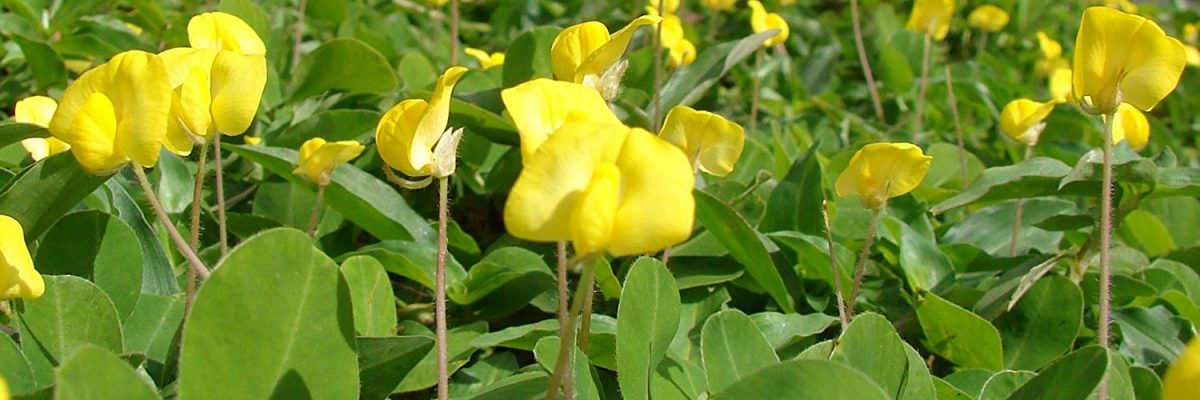
  • Image of peanut flowers
  • Image of peanut flowers
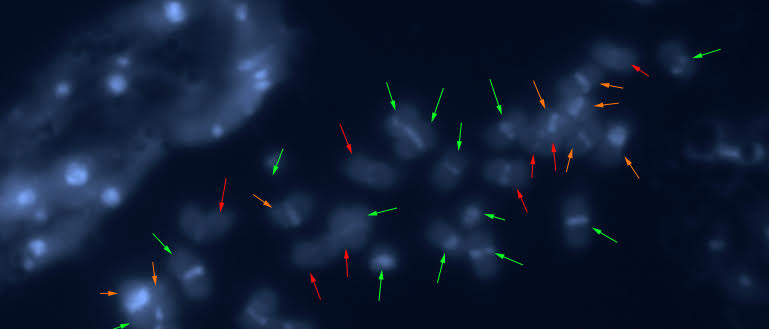
  • Image of peanut chromosomes made through karyotyping
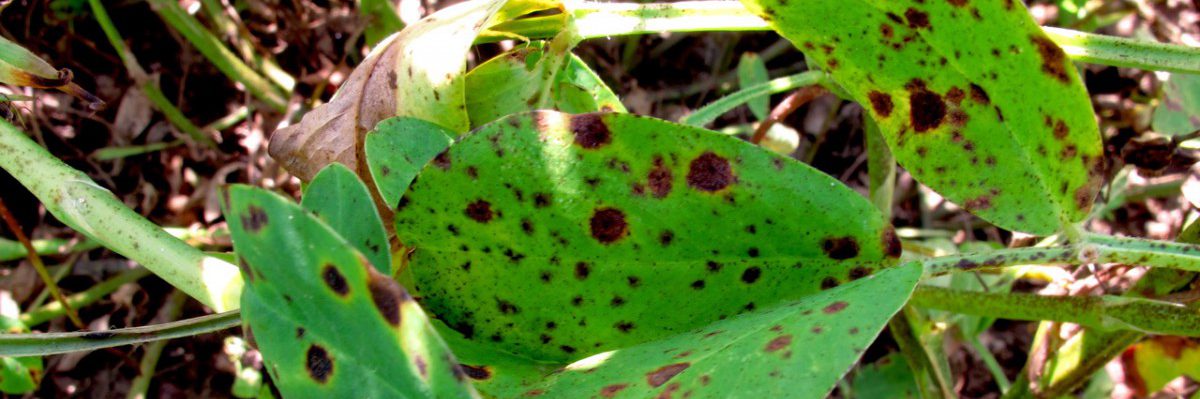
  • covered in necrotic leaf spots caused by a peanut disease
  • Image of peanut plants growing in a field in Georgia
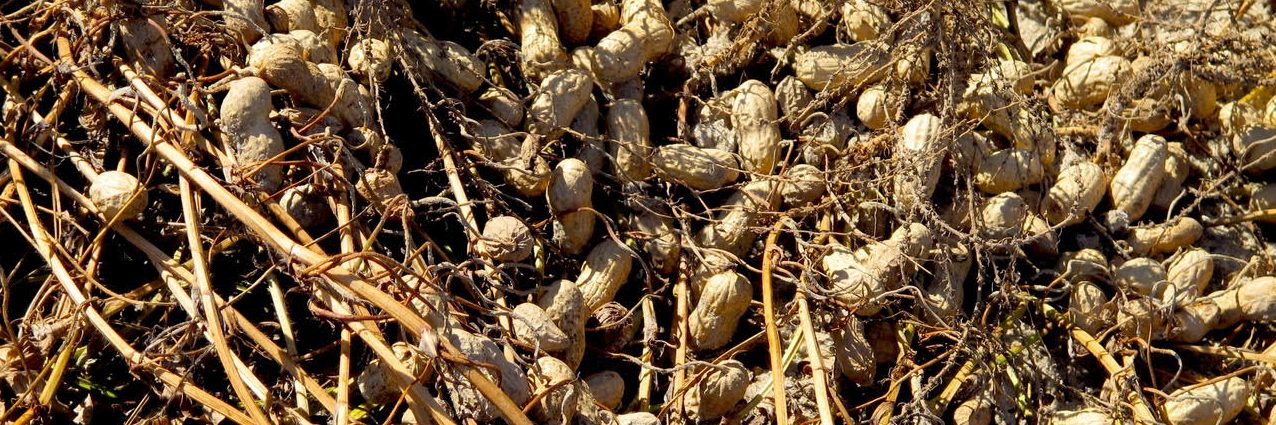
  • Turned and dried peanuts attached to a the plant ready to be harvested
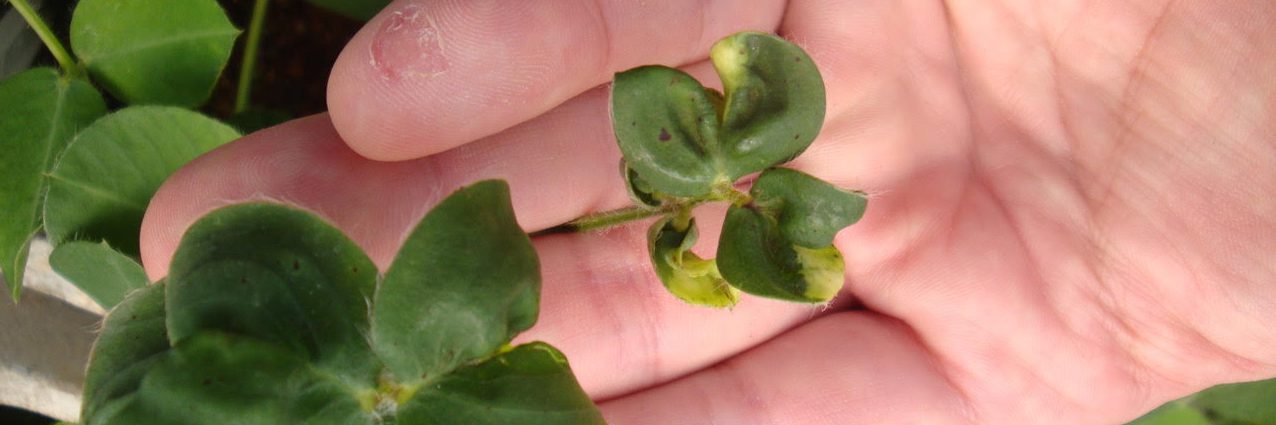
  • Peanut leaf that has different phenotype than usually expected - the leaflets are small and crinkled and chlorotic
  • Two hands shelling a peanut in the foreground with a pile of in shell peanuts in the background
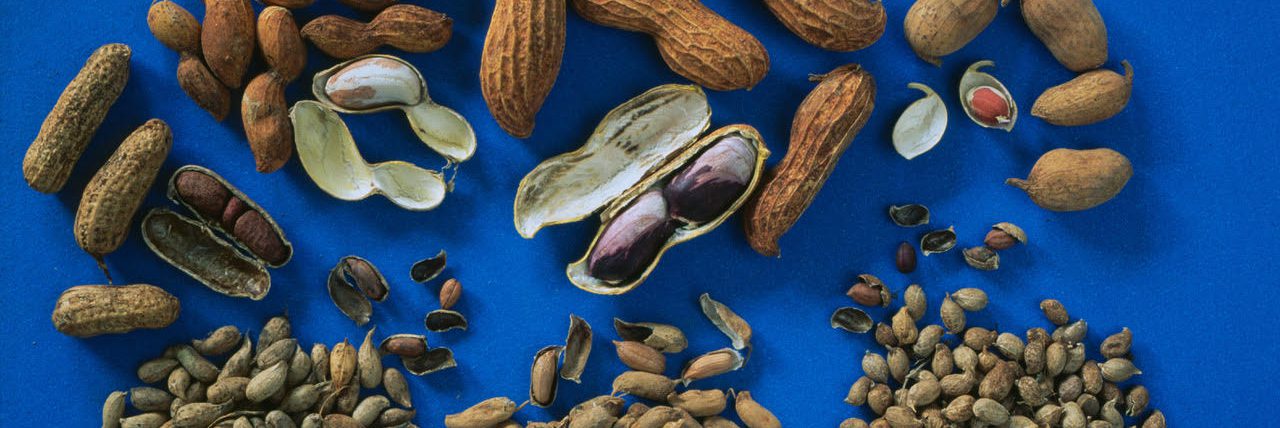
  • Comparison of wild peanut pods and cultivated peanut pods. Cultivated peanuts, at the top, are larger and usually have multiple seeds per pod. In contrast the wild seeds, on the bottom, are small and single seeded.
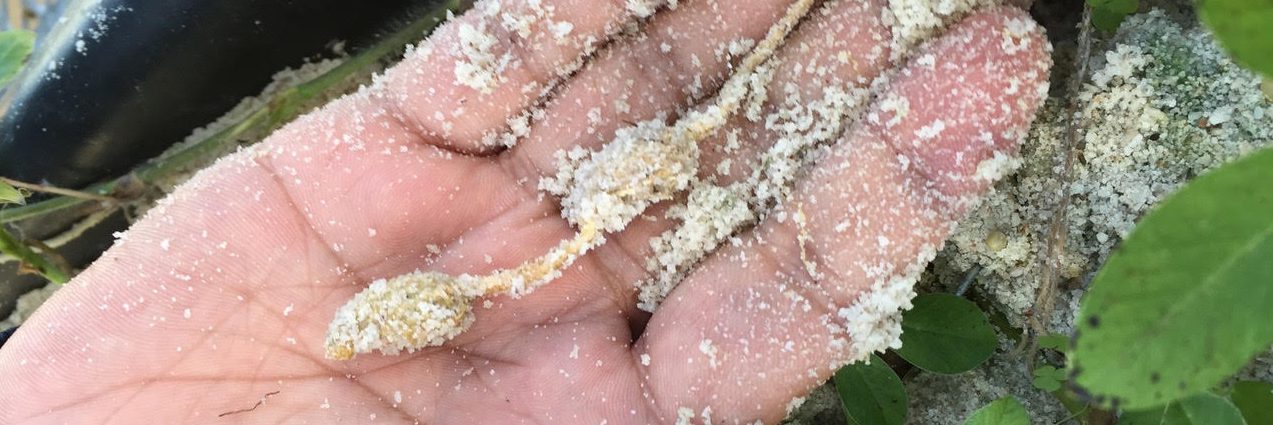
  • Hand holding a peanut that has just been dug out of sandy soil. The peanut pods are small and there is an isthmus connecting the two pods.
  • Pile of cultivated peanut pods
  • Overturned peanut plant showing the root system and peanut pods that have grown
  • Yellow peanut flowers and peanut leaves
  • Peanut plants growing in a field in Georgia